SEO or AI visibility for the holiday season?
 By Daniela Ricaud, founder of Pretty Citable
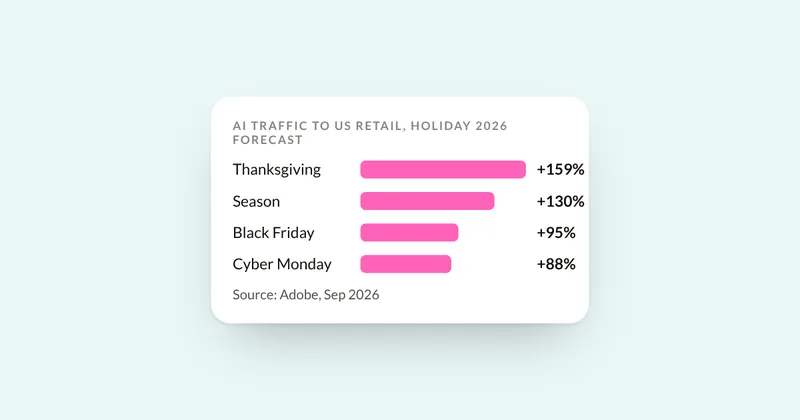
Both, and for the next few weeks they mostly overlap. Google search still sends far more shoppers, and AI is a small share growing fast: Adobe expects AI traffic to US retail sites to rise 130% this holiday season, and AI visitors converted 90% better than other visitors in September 2026. With weeks left, make the fixes that help in both places: product pages that answer gift questions, a clean Merchant Center feed, and accurate prices and stock. Google says recrawling takes days to weeks, so changes made in mid-December may land after the peak.
What the numbers say for holiday 2026
- Adobe's forecast: traffic from AI assistants to US retail sites will rise 130% from November 1 to December 31, compared with last year. Adobe expects Thanksgiving up 159%, Black Friday up 95% and Cyber Monday up 88%.
- Last season: AI traffic to US retail sites rose 693% over the 2025 holidays. Adobe noted the base of users was still modest.
- Conversion: in September 2026, AI visitors converted 90% better than other visitors and brought 83% more revenue per visit. A year earlier, in August 2025, they converted 9% worse. Here's the full picture, including the study that disagrees.
Keep the scale in mind. Studies that measured share put AI under 1% of ecommerce traffic. Google is still the bigger door this season. AI is the faster-growing one, and its visitors arrive closer to buying.
How shoppers are using AI this season
- PwC: 29% of US shoppers plan to use AI somewhere in their holiday shopping, up from 22% last year. Only 4% expect to buy gifts through AI tools, and 64% of people who use AI for ideas still go to a website to buy.
- Deloitte: 39% of US shoppers say generative AI is their main tool for at least one holiday shopping task.
These surveys ask different questions, so the numbers don't line up with each other. They agree on the pattern: shoppers research in AI and buy on a website.
The blind spot
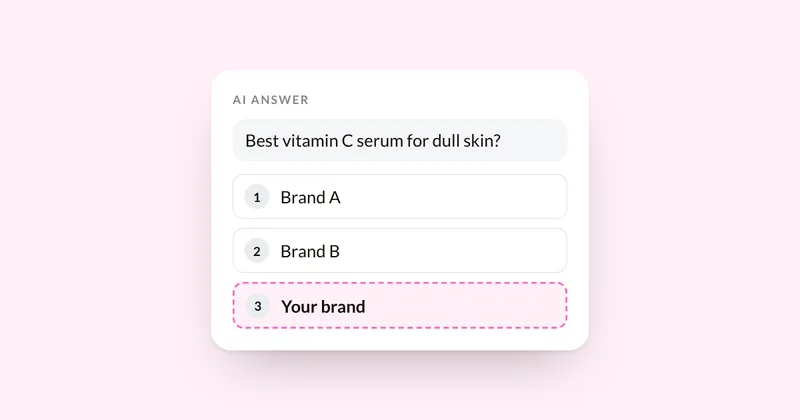
That pattern creates a gap most brands can't see. A shopper asks ChatGPT or Google's AI Mode for "a gift for my sister who's into skincare, under $50", gets three brands, and clicks one. If you weren't named, you never knew the conversation happened. It doesn't show up as a lost visit or an abandoned cart, and your analytics have nothing to report. The only way to see it is to ask your buyers' questions yourself and record who gets named. Here's how to test it yourself.
Why it isn't either-or
Google says there are no extra requirements to appear in AI Overviews or AI Mode: a page has to be indexed and eligible to show a snippet in regular Search. For products, Google points to Merchant Center, and AI Mode shopping runs on Google's Shopping Graph, its database of product listings. So the SEO basics on your product pages and your feed are also what Google's AI features draw on.
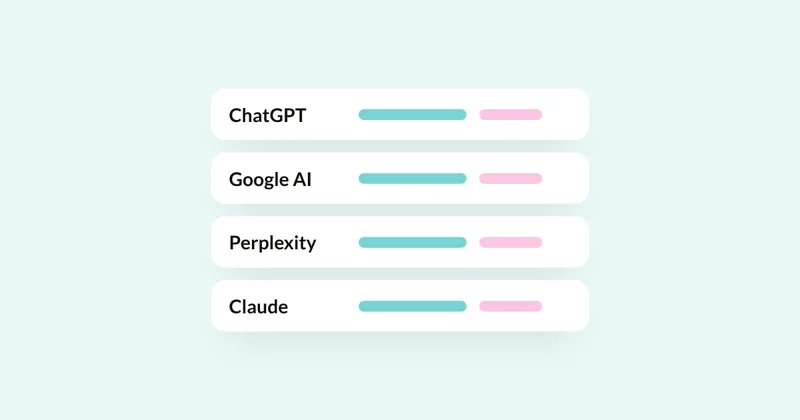
ChatGPT, Perplexity and Claude search the web too, and they lean on pages that answer the question directly: your product pages, retailer listings, reviews and gift guides that name you. Here's where each engine gets its answers.
What to fix with the weeks left
Google says crawling a changed page can take anywhere from a few days to a few weeks, and requesting a recrawl more than once doesn't speed it up. Google gives no timeline for when changes appear in its AI features. Changes made this week have the best chance of counting before Thanksgiving week.
- Clean up your Merchant Center feed. Fix disapproved products, and make sure prices and stock match your product pages. This is the fastest lever for Google's shopping results and AI Mode. Here's the Shopify version, step by step.
- Answer gift questions on your top 10 product pages. Who it's for, the price, what's in it, and the last day to order for delivery by December 25. Shoppers ask AI exactly these questions.
- Check that your best sellers are indexed. Run each one through Search Console's URL Inspection tool and request indexing once for any page that changed.
- Test your holiday questions now. Ask ChatGPT and Google the gift questions your buyers ask and save what they say. That's your baseline to compare against in January.
- Ask how buyers found you. Add "How did you hear about us?" to checkout, with an AI option. It catches sales your analytics file under Direct or Google.
What to save for January
Earning mentions in gift guides, press and review sites, and building new comparison content, is slower work that won't finish before the holidays. Plan it for January, starting with the questions your holiday test showed going to a competitor.
Where the audit fits
The AI Visibility Audit ($500) tests your buyers' questions across the AI engines, shows which competitors get named for them, and ranks the fixes. You get the report in five days, early enough to make the quick fixes this season.
Sources
- Adobe: 2026 holiday forecast press release, Sep 28, 2026
- Adobe: AI traffic delivers higher revenue per visit to retail sites, Oct 29, 2026
- Adobe: 2025 holiday shopping season results, Jan 7, 2026
- PwC: Holiday Outlook 2026
- Deloitte: 2026 Holiday Retail Survey
- Google Search Central: AI features and your website
- Google Search Central: Ask Google to recrawl your URLs
- BrightEdge: AI shopping data, Nov 18, 2025
- Google Blog: Agentic checkout and AI shopping for the holidays, Nov 13, 2025
See where your brand stands
Run three buyer questions yourself in 60 seconds, or get the full AI Visibility Audit: 30 questions on four engines, a competitor map and a ranked fix list in 5 business days.